
5 Things That Actually Help When You're About to Break
It's 11pm. Your phone is in your hand. His name is right there. You tell yourself you'll just look at his profile — not text — but you and I both know how that ends. No contact is one of the hardest things to do after a break up, not because you're weak, but because your brain is literally wired to reach for him. This article is the thing you save for exactly this moment.
Why No Contact Feels Impossible (And Why That's Normal)
First, let's be honest: no contact isn't a trick. It's not a game you play to make him miss you. It's something you do for you — to give your nervous system a break from the cycle of hoping, checking, and hurting.
When a relationship ends, your brain responds almost identically to withdrawal from a substance. Research has actually compared the craving for an ex to addiction. So when you feel the pull to text him at 11pm, you're not being dramatic. Your brain chemistry is doing exactly what it was designed to do.
That doesn't mean you have to give in. It means you need better tools than willpower alone. Here are five things that actually help.

The 5 Things That Actually Help
1. Name What You're Actually Feeling Right Now
Not 'sad.' Not 'missing him.' Get specific. Are you lonely? Scared you made a mistake? Jealous he might be moving on? Angry that it ended the way it did?
There's a reason vague pain is the hardest to sit with — your brain can't process what it can't name. When you put a word on the feeling, it loses a little of its power. It shifts from a wave you're drowning in to something you can actually look at.
Try this: Open the notes app on your phone right now. Write: 'Right now I feel _____ because _____.' That's it. You don't have to fix it. Just name it.
2. Change the Physical State — Immediately
Your urge to text him is a physical sensation, not just a thought. That means you can interrupt it physically. This isn't about suppressing the feeling — it's about giving your nervous system a different signal.
Some things that actually work in the moment:
• Get up and move — walk to a different room, step outside for 60 seconds
• Splash cold water on your face or wrists
• Put on a completely different playlist — something with no memory attached
• Text someone else first — your best friend, your sister, anyone
• Pick up something with your hands: make tea, do your skincare, anything tactile
The goal isn't to never think about him. It's to not act on the thought this time.
3. Remind Yourself What You're Actually Protecting
No contact isn't punishment. It's protection. And not just from him — from the version of you that comes back after you text and he doesn't reply, or worse, when he does and it means nothing.
At the end of a relationship, especially a long one, it's easy to forget who you were before it. Your sense of self can feel like it's entirely wrapped up in him — what he thought of you, what you were to him, who you were when you were together.
No contact gives that person — the one who existed before him — a chance to come back. Every day you hold the line is a day you choose her over the habit of him.
4. Stop Trying to Figure Out What He's Doing
If you've been refreshing his Instagram or analyzing his last Spotify update, this one's for you. The mental energy you spend trying to decode what he's doing right now is keeping you stuck in a story that doesn't belong to you anymore.
When he seems to have moved on quickly, it's almost impossible not to spiral. But what looks like moving on rarely is — and even if it is, it says nothing about you or your worth.
The real work is learning to stop making his choices mean something about you. His timeline is not a reflection of your value. His speed of moving on is not a verdict on your relationship.
This book is exactly what this section is about. Nguyen's core message is that suffering doesn't come from what happens to us — it comes from the thoughts we generate around what happens. If you're in a spiral of 'what does this mean' and 'why didn't he fight for me,' this is the book you need. It's a short read and it hits hard.
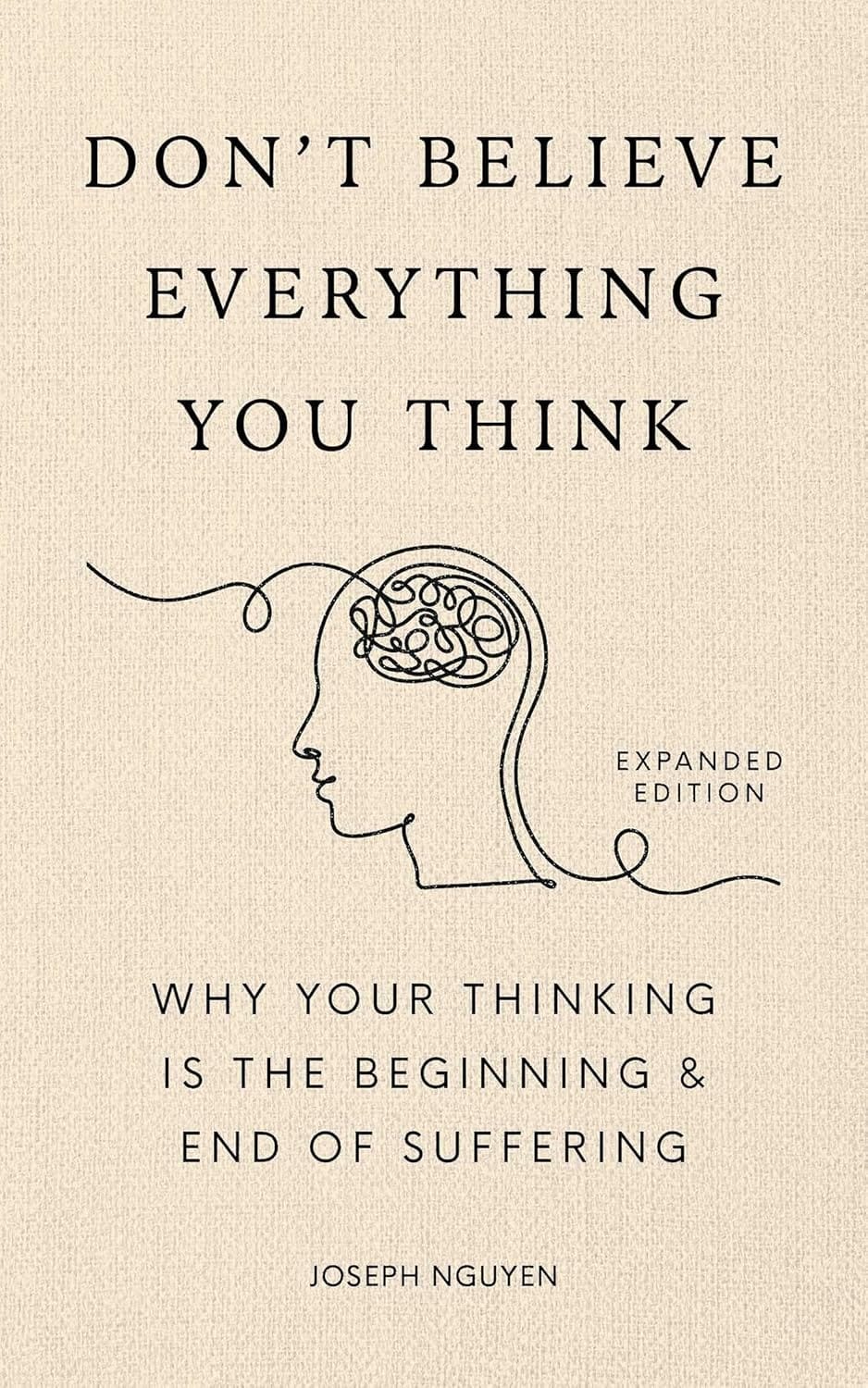
5. Have a Structured Plan for the First 30 Days
The reason most people break no contact isn't a lack of willpower. It's a lack of structure. When there's nothing in place — no plan, no goals, no framework — the space left by the break up gets filled by the urge to reach out.
Having a day-by-day roadmap for the first 30 days changes that. Not because it erases the feelings, but because it gives you somewhere to put your energy on the days when you have nothing to hold onto.
That's exactly the reason why we created the No Contact Starter: A 30-Day Workbook. It's a guided, printable workbook designed to help you hold the line — day by day — with prompts, check-ins, and emotional support built right in. It pairs beautifully with The Don't Text Him Pack for the nights when you're this close to breaking.

What Doesn't Help (Even Though It Feels Like It Will)
Since we're being real here — let's also name the things that feel like relief in the moment but actually set you back:
• Checking his profile — Every time you look, you restart the clock on your own healing.
• Texting him 'just to see how he is' — There's no such thing as a neutral text at 11pm.
• Waiting for him to reach out first — This keeps your energy tethered to someone else's choices.
• Talking yourself into 'closure' — Closure comes from within, not from a conversation with him.
• Romanticizing the good parts while ignoring the rest — Your brain will lie to you. That's its job.
Daniel Chidiac writes about emotional resilience in a way that's grounded and practical — not toxic positivity, not spiritual bypassing. This book is about understanding why you give so much power to things outside of yourself and how to genuinely take that power back. Worth having on your nightstand right now.
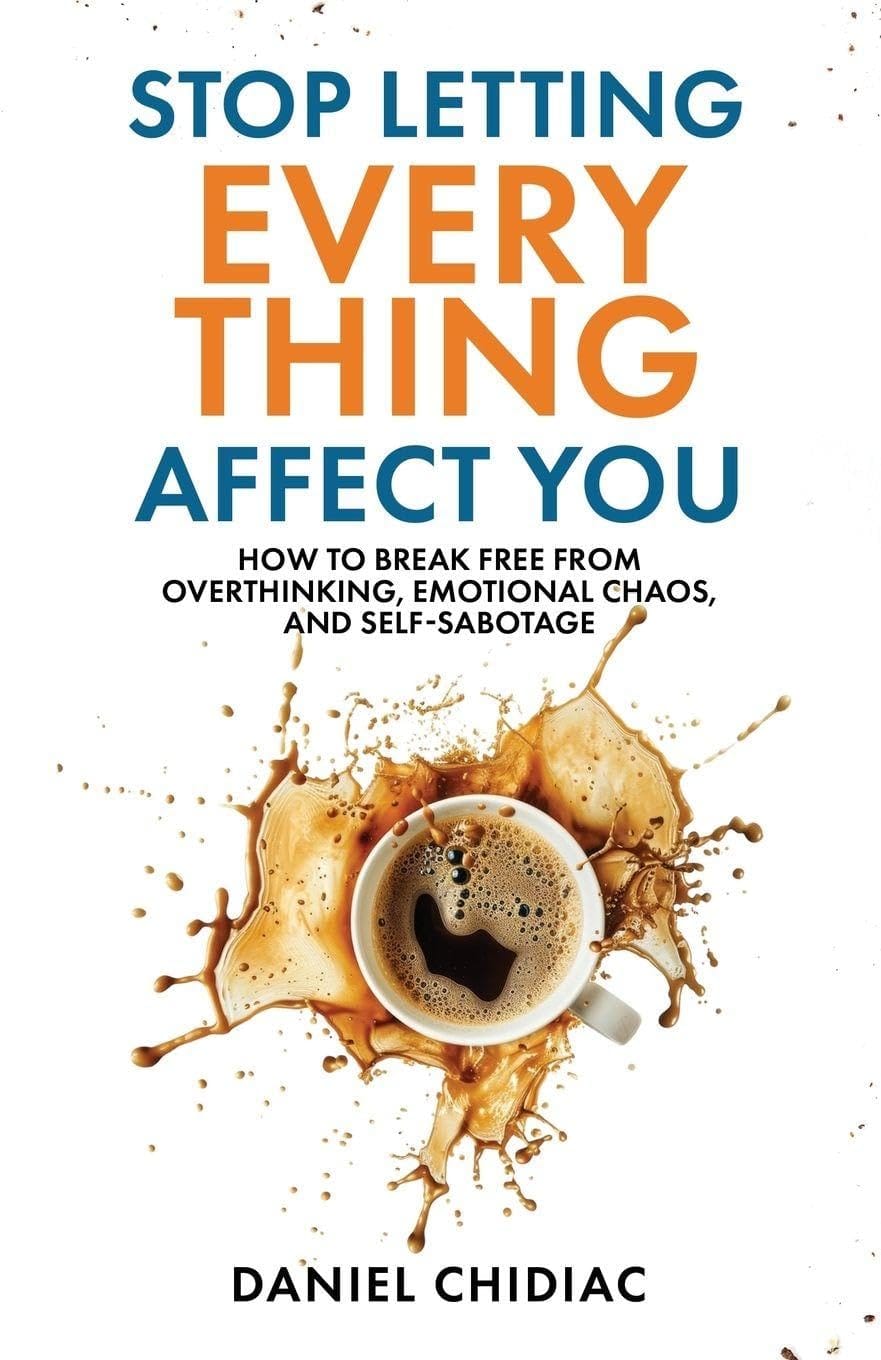
You Don't Have to Be Strong. You Just Have to Get Through Tonight.
No contact doesn't ask you to be over it. It doesn't ask you to stop caring or to pretend none of it happened. It just asks you to not press send — one more night.
That's it. Just tonight. And then tomorrow night, the same thing.
The end of a relationship is one of the most disorienting experiences a person can go through. But the person you were before him — and the person you're becoming now — she's worth protecting. Especially at 11pm.
You've got this, sis.


